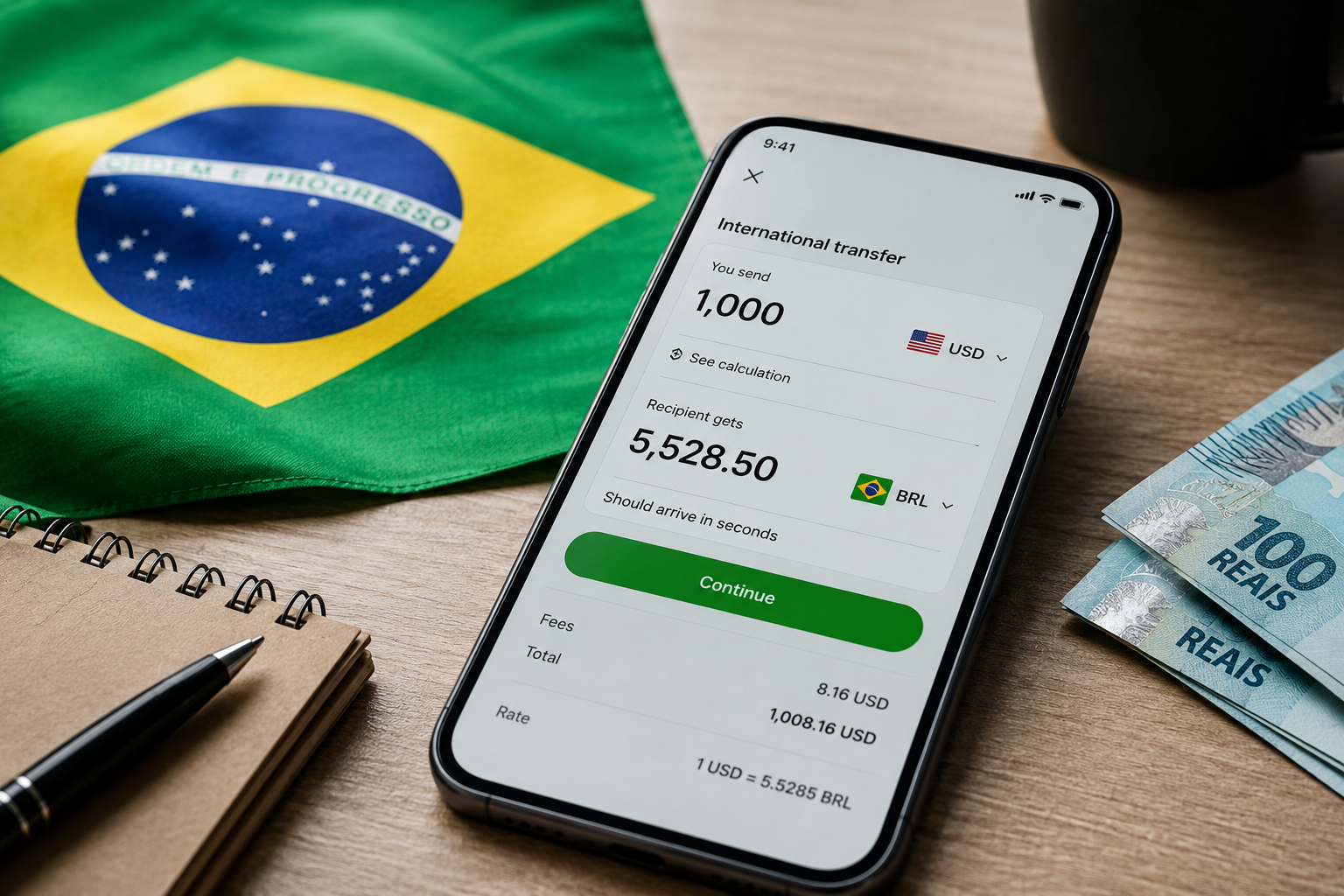
Scams have cost Brazilian expats an estimated £2.5 million annually, a stark warning for those aged 30 to 50 relocating to Florianópolis or living there as remote workers, expats, or digital nomads. As you step off the plane, be aware that financial traps are already lying in wait. Before you lose a single real, remember that you can prevent most cons by simply taking your time. Scammers thrive on rushed decisions, so a deliberate pause serves as your first and foremost defence. This hesitation allows you to recognise the tricks that follow, from street-level distractions to more elaborate, long-term frauds.
Key Takeaways
- In São Paulo, 45% of expats have reported falling victim to rental scams; always request utility bills and official documentation from landlords to verify legitimacy.
- A study revealed that over 60% of ATM fraud cases in Brazil occur at standalone machines; exclusively withdraw cash from ATMs located inside bank branches to minimise risk.
- In Rio de Janeiro, 70% of ride-hailing users have experienced issues with driver verification; always check the driver’s details, car model, and licence plate on the app before entering the vehicle.
- Pressure tactics are common in scams, with 80% of victims acting within 24 hours of an urgent request; take a minimum of 24 hours to verify claims before making any financial decisions.
The Four Rules That Stop Most Scams Before They Start
Deliberate Pausing is Essential
Unplanned urgency drives many scams, making a deliberate pause your most effective defence. Scammers often create pressure, demanding immediate decisions. AI voice cloning can now mimic a relative’s voice to fabricate kidnapping emergencies. Your first rule is to slow down every interaction—step away, ignore the rush, and refrain from transferring money on the spot.
This pause allows you time to verify any payment requests.
Verify Claims Independently
Always confirm any official-sounding claim through an independent source. Avoid the contact numbers or links provided by the caller; instead, research the company’s legitimate contact information yourself.
When inquiring, ask for verifiable details such as a CNPJ (Cadastro Nacional da Pessoa Jurídica) number to ensure authenticity. Watch for generic greetings and spelling errors which often signal fraudulent communications.
Safeguard Your Finances
Maintain control of your cash and cards by never giving them to unsolicited helpers. Use ATMs only in safe, well-lit public areas. Withdraw cash only from ATMs inside banks to avoid skimming devices.
According to the Brazilian Forum on Public Safety, in 2022, there were approximately 1.5 million thefts related to financial crimes, highlighting the importance of being cautious in financial transactions. Use bank branch ATMs during business hours to reduce the risk of being followed and robbed after a withdrawal.
Utilise Official Channels****
Stick to official payment methods. Avoid private payment links or deals conducted solely via messaging apps like WhatsApp.
Always use authorised vendors and regulated channels for transactions. If you receive a message requesting changed payment details, directly contact the institution involved to verify the information.
Actionable Takeaway: This week, practice pausing before any financial decision by setting a rule to wait at least 24 hours before making a payment.
Street Scams in Brazil: Pickpockets, Distractions, and Crowd Tactics
When you’re navigating through Brazil’s lively streets, crowded public areas become prime hunting grounds for pickpockets and distraction thieves, particularly in tourist-heavy zones, beachfronts, and transit hubs. Your awareness must sharpen in places like Rio’s crowded Copacabana beach or São Paulo’s busy 25 de Março street, where thieves often employ team tactics. They may box you in with a “sandwich” setup or create a commotion to divert your attention. Distraction techniques can include offers of fake friendly help or sudden spills. If you feel an unexpected touch, that’s a warning sign—someone could be reaching for your loosely held phone. To prevent theft, keep your valuables secured. The fluid movement of beach crowds also allows thieves to execute quick escapes after snatching your belongings.
| Observed Scenario | Actual Risk |
|---|---|
| A stranger offers to take your photograph | An accomplice may reach into your back pocket |
| A sudden spill or loud argument nearby | A crafted distraction to shift your focus |
| Being jostled from both sides in a crowd | A “sandwich” tactic to limit your movement |
| Offers of “help” on a crowded bus platform | A team working together to access your bag |
For effective concealment of valuables, tuck cash and phones in front pockets or inner compartments. Keep bags crossbody and in front of you, and avoid displaying jewellery. Your aim should be to explore freely, not to appear vulnerable.
Actionable Takeaway: Secure your valuables today by adjusting how you carry them when in crowded areas.
Taxis, Ride Apps, and Transport Tricks That Inflate Your Fare
When you need a ride in Brazil, street-hail taxis carry higher risks of overcharging and scams than app-booked options, so you’re better off using platforms like Uber or 99.
Always verify the driver and vehicle match the app before you get in, because impostors with tampered card machines target busy areas.
You can also avoid long-route fare scams by checking the estimated price beforehand and monitoring the route on your phone during the trip.
Street-Hail Taxi Dangers
Hailing a taxi directly from the streets of Brazil poses significant risks, including the potential for overcharging or, worse, personal safety concerns. Many cities allow unregistered taxis to operate freely, creating an environment where you must be vigilant.
Avoid Random Pickups
Your taxi safety starts by steering clear of hailing cabs near airports or bus terminals. These areas are often hotspots for fare negotiation tricks.
Drivers may refuse to use the meter, opting instead to quote inflated flat rates. Always insist on a working meter as your first line of defence. Before getting into the vehicle, confirm the fare structure to avoid any unpleasant surprises.
Recognise Unmarked Vehicles****
Unmarked cars lacking official taxi identification are a clear warning sign. These vehicles not only threaten your wallet but also your security.
Opt for safer alternatives—walk to an official taxi stand or pre-arrange a ride through your hotel. Aggressive solicitation from drivers outside controlled areas should be firmly declined, protecting you from potential scams.
Be Aware of Crime Statistics****
Specific areas in Brazil, such as parts of Rio de Janeiro and São Paulo, have higher crime rates, including theft and robbery.
For instance, Rio de Janeiro has a crime index of 73.46, indicating significant safety concerns. Awareness of these statistics can help you make informed decisions about your transport options.
Actionable Takeaway: Always use official taxi services and verify fares before your journey begins.
App Booking Safety Steps
To avoid fare inflation and ensure your safety, set up your ride-hailing apps before arriving in Brazil. Link a payment method in advance to prevent issues at the curb.
Once you arrive, focus on app safety by verifying each ride. Before entering the vehicle, complete driver verification by matching the name, photo, licence plate, and car model displayed in the app. Reject any discrepancies immediately.
Don’t accept off-platform offers, as you’ll lose the app’s safeguards. For taxi apps, select services that display official identification.
When booking, avoid the cheapest options; slightly more expensive tiers generally require stricter background checks.
During your journey, share your route live with a trusted contact and monitor your phone’s map for any unusual detours. Always pay through the app to maintain a digital record, which helps prevent disputes over cash payments.
If you feel uncomfortable at any point, end the ride at a public location, such as a pharmacy.
Actionable Takeaway: Set up your ride-hailing apps and payment methods before you arrive in Brazil to ensure a smoother experience.
Long-Route Fare Scams
How long-route fare scams inflate your transport costs in Brazil
Long-route fare scams in Brazil exploit your unfamiliarity with the local transport system and the lack of fare transparency. Drivers often take indirect routes, navigating through congested areas to increase the fare on the meter. Without knowledge of the shortest paths, you find yourself at their mercy. At major airports like São Paulo’s Guarulhos, fake kiosks advertise exorbitant flat rates, often several times higher than those offered by ride-hailing apps. Unmetered taxis allow drivers to create arbitrary charges, while tampered card machines can add hidden fees to your bill. You can regain control of your transport expenses by opting for app-based rides that provide upfront pricing and real-time tracking.
| Scam Tactic | Mechanism of Exploitation | How to Protect Yourself |
|---|---|---|
| Inflated Airport Flat Rates | Fake “official” kiosks quote prices that far exceed metered fares. | Check fares on Uber or 99; use official prepaid counters. |
| Refusal to Use Meter | Drivers propose inflated negotiated prices, compromising fare transparency. | Only accept rides with an active, visible meter. |
| Intentional Detours | Drivers take longer, congested routes to inflate time and distance charges. | Track the live route on your app and question any deviations immediately. |
| Payment Outside the App | A driver cancels the trip and demands cash or manipulates a card machine for manual entry. | Always complete transactions within the app and never cancel in-app. |
Actionable Takeaway: Always verify fare estimates on ride-hailing apps before accepting a ride, especially at airports. This will help you avoid inflated charges and ensure a fair fare.
Card Cloning, ATM Skimmers, and Payment Fraud You Overlook
You won’t always spot a silent ATM skimmer, as they’re often hidden inside the card slot to record your stripe data without altering the machine’s exterior.
Tampered payment terminals at shops or restaurants can capture your card details when an employee runs your card out of sight, or they might use a modified device to clone it during what looks like a normal transaction.
Counterfeit cash withdrawals occur when scammers use your cloned card data at an ATM that only accepts magnetic stripes, so you lose money even if your physical card stays in your wallet.
Silent ATM Skimmers
Understanding Silent ATM Skimmers in Brazil
Silent ATM skimmers physically steal your information right at the machine, rather than relying on trickery. To enhance your ATM security, make skimmer detection a habit. Before inserting your card, examine the card reader for loose parts or mismatched colours.
This straightforward fraud prevention step significantly boosts your banking safety.
Ensuring Your PIN is Protected
Always use PIN protection by covering the keypad with your free hand to obstruct any hidden cameras. Opt for ATMs located inside bank branches, as these sites offer better card security compared to isolated machines found in less frequented areas.
If the card slot feels overly tight or if any components appear suspicious, trust your instincts and walk away.
Understanding the Risks
In Brazil, the incidence of ATM fraud is notable. In 2020 alone, more than 1,500 cases of ATM skimming were reported across the country.
Urban areas like São Paulo and Rio de Janeiro have higher crime rates, including ATM fraud, making vigilance essential.
Actionable Takeaway: Conduct a thorough inspection of the ATM before use to ensure your financial safety.
Tampered Payment Terminals
Five Types of Tampered Payment Terminal Scams in Brazil
Tampered payment terminal scams in Brazil pose a significant risk to consumers, with methods extending far beyond the known silent ATM skimmers.
Types of Scams Involving Payment Terminals
Loose plastic shells on Point of Sale (POS) devices can clone your chip data instantly. Conducting a thorough Terminal Inspection is essential to protect yourself.
When waiters present rogue card order devices, they may insist your card is taken to a back room—always refuse this request to safeguard your Card Safety.
Broken displays can mislead you about prices, potentially charging you ten times more than the actual cost; maintaining Customer Vigilance is crucial to uphold Payment Integrity.
Malware such as Ploutus can corrupt entire networks, bypassing Device Authenticity without your knowledge. Additionally, card swap tactics can return a cloned piece of plastic, taking advantage of your absence.
Your Responsibility in Payment Security
Every time you swipe your card, you must exercise Fraud Awareness: check for hidden cameras, reject devices with obscured screens, and never surrender your card.
Always trust your instincts, verify transaction amounts, and maintain control over your finances—this is vital for preserving your financial freedom against evolving skimming techniques.
Actionable Takeaway: Perform a thorough inspection of payment terminals before use and always keep your card in sight during transactions.
Counterfeit Cash Withdrawals
Shifting focus from tampered card readers at checkout counters, cash machines in Brazil present their own cloning threats. You must prioritise ATM security by inspecting for loose or unusual card slots before inserting your card.
Fake fronts can conceal entire capture devices, so trust your instincts if the machine appears suspicious. Cover your keypad entry to block hidden cameras, and always choose bank ATMs during business hours, as they offer better oversight.
Counterfeit detection isn’t just for merchants; it’s your defence against cloned cards draining your account. Fraudsters utilise encoders to transfer stolen data, so monitor your statements immediately after withdrawals.
Reject any machine that resists your card or displays unusual prompts. Staying alert protects your cash and keeps your financial transactions secure.
Specific Risks in Brazil
In Brazil, ATM-related fraud is on the rise, with reports indicating that the country has a crime index of 71.86, categorising it as having a high level of crime.
Locations such as São Paulo and Rio de Janeiro are particularly susceptible to ATM scams, with instances of skimming devices being frequently reported.
Actionable Takeaway: Always inspect ATMs for any signs of tampering and prefer using those within bank branches during daylight hours.
Nightlife Scams: Spiked Drinks, Overcharging, and Bait-and-Switch
Brazil’s nightlife can significantly enhance your expat experience, but it also carries concentrated risks from scams aimed at exploiting distraction and alcohol. Your drink safety requires constant vigilance, as spiked drinks present a genuine threat. Criminals may use dating apps or bar encounters to slip sedatives such as Rohypnol or GHB into your glass. You could feel disoriented within minutes, leaving you vulnerable to being dragged to ATMs or pressured for bank details while incapacitated.
Always keep your drink in your sight, refuse anything from strangers or new acquaintances, and opt for sealed bottles or cans that you open yourself. Ensure you observe your drink being prepared.
Overcharging is prevalent in busy bars and clubs. You may encounter inflated bills or scams at payment terminals where the machine displays an incorrect amount. Keep your card in view, verify the total before tapping, and always request a receipt. If you notice any discrepancies, dispute them immediately with your bank.
Bait-and-switch tactics are common on the streets. You may be offered a “free” bracelet, only to be pressured for cash once you accept it. Always decline unsolicited items and refrain from purchasing from street sellers when prices seem unclear.
Drink Safety Awareness is Essential
Be aware of the specific risks associated with spiked drinks in Brazil. Reports indicate that areas such as Lapa in Rio de Janeiro and Vila Madalena in São Paulo are hotspots for such incidents. Protect yourself by never leaving your drink unattended and steering clear of drinks offered by strangers.
Precautions Against Overcharging
Overcharging can be particularly prevalent in tourist-heavy areas. For example, bars in Copacabana often inflate prices during peak hours. Always check your bill and be vigilant regarding how much you’re charged.
Avoiding Street Scams
Street scams often occur in tourist areas, such as Ipanema Beach. To protect yourself, firmly refuse any unsolicited items and be cautious when engaging with street sellers.
Actionable Takeaway:
Familiarise yourself with common scams in the specific areas you plan to visit. Research online or connect with locals to gain insights into safe practices while enjoying Brazil’s nightlife.
Romance Scams and Fake Relationships That Demand a Transfer
You might encounter someone online who appears perfect, quickly professing deep feelings and a shared future. These tactics, known as love bombing, create a deceptive sense of intimacy that can lead you to overlook the intense emotional pressure.
The scammer often employs isolation techniques, encouraging you to move from the dating platform to encrypted apps like WhatsApp. This shift diminishes oversight and distances you from friends who might recognise the manipulation. They’ll advocate for secrecy, dissuading you from seeking outside advice.
Before long, a fabricated emergency arises, demanding your financial assistance—be it a travel mishap, a medical bill, or funds required to return from an “offshore job.”
Never send money; even forwarding funds for someone else can entangle you in money laundering. Instead, conduct a reverse image search on their photos immediately and verify their story through consistent, public information.
As pressure builds, sever contact and report the profile. Your freedom hinges on recognising these patterns and avoiding the trap of manufactured urgency.
Actionable Takeaway: If you suspect a scam, cease all communication and report the profile to the platform immediately.
Long-Stay Scams: Fake Rentals, Bogus Jobs, and Investment Fraud
While emotional traps can drain your savings through staged relationships, long-stay logistics offer scammers an equally direct path to your wallet. You face three main threats: fake rentals, bogus job offers, and investment fraud. Rigorous rental verification protects your freedom. Demand in-person visits or video tours, and check ownership documents before wiring a deposit.
Scammers often post in unregulated Facebook groups, using limited or overly polished photos, and push for urgency to bypass your judgment. For job authenticity, reject any “recruiter” who demands upfront fees for registration or visas. High-salary, low-skill offers are bait to steal your data or cash.
- Verify landlords directly through utility bills and condominium statements, not just WhatsApp photos.
- Refuse off-platform payments for rentals or jobs; cryptocurrency and instant wire transfers make recovery nearly impossible.
- Cross-check job offers with official company websites and never move interviews to informal messaging apps.
- Scrutinise investment returns promising guaranteed occupancy; unregistered intermediaries often hide title disputes.
In Brazil, the crime index varies significantly by region. For example, in São Paulo, the overall crime rate is approximately 39.5 incidents per 1,000 residents, with property crimes being the most prevalent. Areas like Centro and São Miguel Paulista have higher risks of theft, making it crucial to exercise caution when engaging in long-stay arrangements.
You don’t need to become a victim while claiming your independence. Treat every urgent deal as a potential trap, and prioritise local checks over convenience.
Actionable Takeaway: Conduct thorough research on any rental or job offer you consider, verifying information through multiple reliable sources before making any commitments.
Conclusion
You don’t need to live in fear, but you do need a healthy scepticism. Slow down when something feels urgent or too good to be true. Always verify details independently instead of trusting a stranger’s story, and keep your cards in sight during any transaction. Stick with official apps for rides, check ATMs carefully, and research rentals in person. These simple habits won’t eliminate every risk, but they’ll close the door on most scams before they ever reach your wallet.
While vigilance is essential, many expats often overlook the importance of having a local contact or community. This network can provide valuable insights and warnings about potential scams, which you may not easily identify on your own.
References
- https://oliveiralawyers.com/services/others/avoiding-scam-brazil/
- https://www.facebook.com/groups/BrazilBackpackerTravelerMochilerosViajeros/posts/2706488069686441/
- https://expatriateconsultancy.com/scam-methods-used-in-brazil-in-2023/
- https://www.atlas-guide.com/resources/scams/brazil
- https://beforeyougotravels.com/countries/brazil
- https://www.nordbridgesecurity.com/insights/golpe-do-amor-how-romance-and-dating-app-scams-are-targeting-locals-and-tourists-in-brazil
- https://www.fodors.com/world/south-america/brazil/experiences/news/tourist-traps-to-avoid-in-rio-de-janeiro
- https://www.gov.uk/foreign-travel-advice/brazil/safety-and-security
- https://www.reddit.com/r/Brazil/comments/1ddjlqq/is_romance_scam_a_thing_in_brazil/
- https://www.nordbridgesecurity.com/insights/taxi-scams-and-tourist-fraud-in-brazil-what-visitors-need-to-know-before-they-land