
Introduction: The Real Cost of Living in Florianópolis
Florianópolis is easily one of my favourite places to live. The quality of life here is hard to beat, with beautiful beaches, green mountains, a relaxed lifestyle, and a relatively safe environment compared with many other parts of Brazil. However, there’s one thing you need to understand before considering a move here: Florianópolis isn’t as cheap as you might expect.
Coming from the UK and comparing life here with other parts of Latin America, I’ve realised that although Brazil can offer an excellent quality of life for the money, certain locations come with a significant premium. Florianópolis is one of those places.
I call this the “Floripa Tax,” and it has two main components: the safety tax and the convenience tax. These aren’t official taxes. They’re my way of describing the additional costs associated with living somewhere that offers a combination of relative safety, good infrastructure, access to healthcare, convenient travel connections, and an attractive lifestyle.
After buying land here and researching the cost of building my own home, I’ve experienced some of these expenses firsthand. So, if you’re considering moving to Florianópolis, here’s what you need to know about the real cost of living in this part of Brazil.
1. The Safety Tax: Paying More to Feel Safer
The first part of the Floripa Tax is what I call the safety tax. One of the main reasons my family chose Brazil was the opportunity to live somewhere we could enjoy a relatively peaceful lifestyle. Florianópolis has a reputation for being one of Brazil’s more desirable and comparatively safer cities, although safety varies by neighbourhood and crime still exists.
For us, this matters enormously. When you have children, choosing where to live isn’t simply about finding the cheapest rent or the lowest grocery prices. You also need to consider the environment in which your children will grow up, the neighbourhoods they will spend time in, and how comfortable you feel going about your everyday life. We wanted somewhere we could enjoy family life without constantly worrying about serious crime or violence, and Florianópolis offered a balance that appealed to us.
However, we’re certainly not the only people looking for that combination. Brazilian families from other cities, people relocating from neighbouring South American countries, and international residents are attracted to the area’s natural surroundings, lifestyle, and residential neighbourhoods. When more people want to live in the same desirable locations, competition for housing increases, particularly when buyers have substantial purchasing power.
This isn’t solely about foreigners moving to Brazil. Domestic demand also matters, including buyers relocating from major Brazilian cities such as São Paulo. The result is that property prices in Florianópolis can be surprisingly high compared with other parts of Brazil. You’re not just paying for a house or a piece of land; you’re also paying for the location, the surrounding environment, and the lifestyle that comes with it.
For me, that premium is part of the safety tax. It’s one of the costs I’m willing to consider because the quality of life my family gets in return is important to us.
2. Property Prices: The First Major Expense
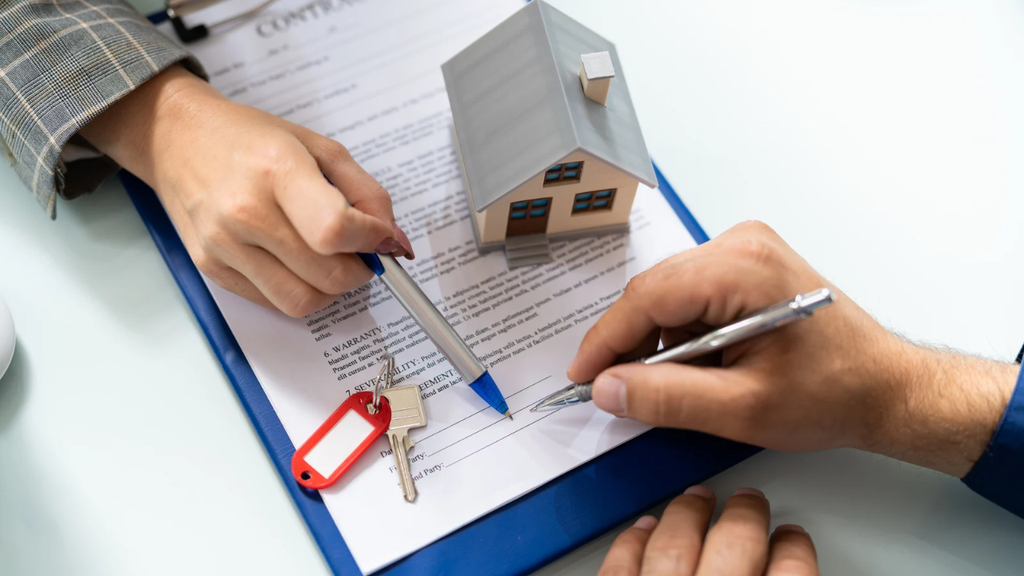
Property is one of the biggest costs to consider when moving to Florianópolis, particularly if you’re planning to buy land and build your own home. I bought a plot of land last year for approximately R$850,000, which was equivalent to around US$150,000 at the time. The land is in a gated community, and although it’s a decent-sized plot, that was only the beginning of the financial commitment.
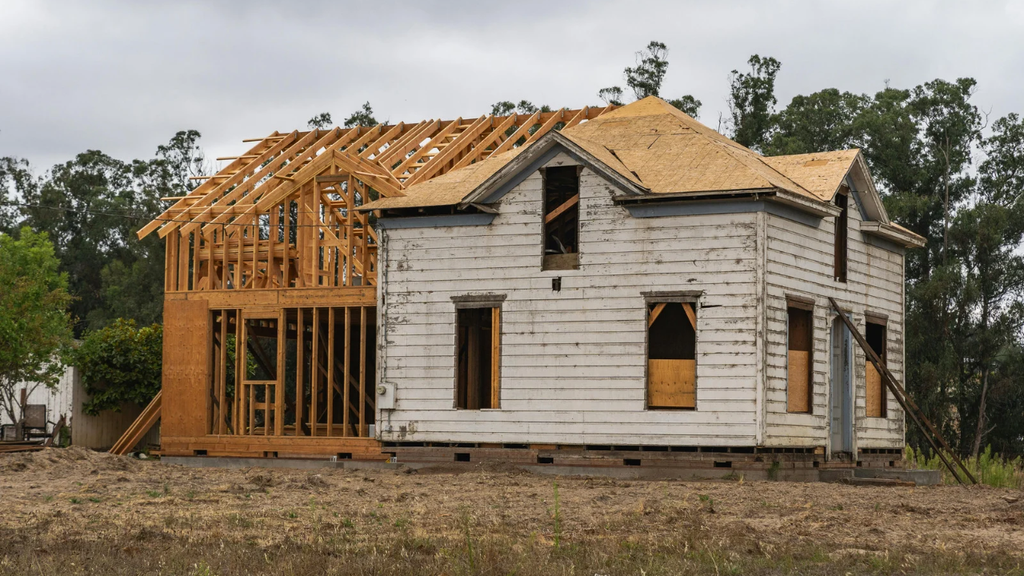
The next challenge is building the house itself. Based on my plans and the quotations I’ve received, I’m estimating that construction could cost another US$200,000 to US$300,000 to achieve the size and standard I want. That includes a finished property with landscaping, a swimming pool, and the other features needed to make it ready to move into.
Naturally, the final cost depends on the design, materials, finishes, labour, and specifications. But the important point is that buying the land is only one part of the total cost of building a home in Florianópolis. When you’re planning a move to Brazil, it’s easy to focus on property prices and assume that building will be relatively inexpensive. In reality, a high-specification home in a desirable area can require a substantial budget.
The figures I’ve received from architects and construction companies around Campeche have helped me understand just how expensive a project like this can become. If you’re planning to buy property here, I would strongly recommend getting detailed local quotations before making assumptions about your budget.
3. Is Building a House in Florianópolis More Expensive Than Elsewhere in Brazil?
One of the questions I wanted to investigate was how much more expensive it is to build in Florianópolis compared with other parts of Brazil. Initially, I assumed that building a house here might cost roughly the same as building a comparable property in the UK. After looking into the figures, I realised that the comparison was more complicated than I expected.
Construction costs vary considerably depending on where you build, the quality of the finishes, the design, and the specifications of the property. In my research for the video, I compared estimated construction costs in Florianópolis with those in northeastern Brazil and the UK. The figures I found suggested that basic construction in northeastern Brazil could be cheaper than in Florianópolis, although the difference depends on the type of construction and the quality of the finish.
Some estimates I reviewed suggested a difference of around 10% to 20%, while my own preliminary assessment was that a high-specification build in Florianópolis might cost approximately 20% to 25% more than a comparable project in northeastern Brazil. These are estimates from my research, not verified national averages, and the figures need to be treated cautiously. Construction costs can vary substantially between cities and even between projects in the same neighbourhood.
The type of property also matters. A basic build and a high-end home with architectural design, premium finishes, landscaping, and a swimming pool are not directly comparable. For my own project, the most useful figures have been the actual quotations I’ve received from architects and construction companies in Campeche. Those quotations indicated that a high-specification build could cost considerably more than the basic construction estimates I initially encountered.
This is why I wouldn’t recommend relying on a single online estimate when planning a construction project in Brazil. Use published figures as a starting point, but obtain local quotations that reflect the property you actually want to build.
4. How Do Brazilian Construction Costs Compare With the UK?
When I first considered building a house in Florianópolis, I thought the costs might be comparable to those in the UK. I later discovered that, depending on the specification, a similar high-end property in the UK could cost substantially more.
In my research, I came across estimates suggesting that basic construction costs in the UK could be several times higher than comparable basic construction costs in Florianópolis. High-end construction in the UK could be even more expensive, particularly in major cities and expensive locations. However, these comparisons need to be approached carefully because the figures I reviewed came from different estimates and may not account for identical specifications, professional fees, foundations, landscaping, or other project costs.
For that reason, I wouldn’t treat the numbers as a definitive comparison of national construction costs. What I can say is that the quotations I’ve received for my own project in Florianópolis have helped me understand why building here can still be financially attractive compared with certain UK locations, even though Florianópolis is relatively expensive by Brazilian standards.
The key is to compare like with like. A high-end home in a desirable part of Florianópolis should be compared with a home of similar size, specification, and location quality elsewhere, rather than with a basic house in a cheaper region. For anyone considering a self-build, this is an important distinction. The cost of the finished property matters much more than a headline price per square metre taken out of context.
5. The Hidden Cost of Financing in Brazil
Property prices and construction costs are only part of the equation. Another major consideration is how you finance the project. One of the biggest differences I’ve noticed when comparing Brazil with the UK is the cost of borrowing.
The interest-rate examples I discussed in my research were approximately 5% in the UK compared with 11% to 12% or more in Brazil. Actual rates vary depending on the lender, the borrower, the loan product, and the wider financial environment, so these figures should be treated as illustrative rather than current offers.
Nevertheless, the difference can have a substantial impact on the total cost of a property. Consider a hypothetical loan of US$150,000 over 25 years. Using a simplified repayment calculation with a fixed annual interest rate of 5%, the monthly payment would be approximately US$877. At 11.5%, the monthly payment would be approximately US$1,465. These examples assume a standard fully amortising loan, monthly repayments, and no additional fees. They are not quotations for an actual Brazilian or UK mortgage.
The difference illustrates why financing costs deserve serious attention when planning to buy or build a home in Brazil. When borrowing costs are high, a larger proportion of your monthly payment goes towards interest. That can make a project much more expensive over the life of the loan.
This is particularly relevant if you’re planning to build a home rather than purchase an existing property. Construction projects can involve staged payments, additional expenses, and unexpected cost increases, all of which need to be considered alongside the financing.
For me, this is one of the biggest financial challenges associated with building in Florianópolis. I’m saving towards the project, but I also need to account for the costs of supporting my family and paying for everyday expenses. In my view, Brazil can be a much more attractive place for people who have substantial savings than for those who need to borrow heavily. The cost of financing can change the entire financial picture.
6. The Convenience Tax: Why Location Matters So Much
The second part of the Floripa Tax is what I call the convenience tax. Florianópolis isn’t just attractive because of its beaches and natural surroundings. It also offers practical advantages that make everyday life easier.
I live in Campeche, in the southern part of the island, and one of the biggest benefits is the proximity to the airport. Being able to reach the airport in approximately five minutes makes a considerable difference to our lifestyle. We can travel to other parts of Brazil and reach various destinations in Latin America with relatively convenient flight connections. We’ve travelled to places such as Chile, and destinations including Argentina, Paraguay, and São Paulo are accessible by air.
For our family, international travel is particularly important because we need to visit relatives in both the UK and Colombia. Getting back to the UK is already a long journey. Depending on connections and waiting times, travelling from Florianópolis to the UK can take around 24 hours door to door. That journey can involve a flight to São Paulo, a connecting flight to London, and then several more hours of travel to reach family in the Midlands.
If we lived several hours away from the airport, the journey would become even more complicated. This was one of the practical considerations that influenced our decision to live in Florianópolis. We wanted to be in Brazil, but we also needed to remain reasonably connected to our families abroad.
For us, the convenience of the airport is worth paying for. It saves time, simplifies travel, and makes it easier to maintain relationships across countries. That convenience comes at a price, however, because desirable locations with good transport connections often attract more demand.
7. Healthcare, Shopping, and Everyday Amenities
The convenience tax extends beyond the airport. Another advantage of living in Florianópolis is access to the services and facilities of a modern, mid-sized city. Having healthcare providers, restaurants, shopping centres, and other essential services within reasonable reach makes everyday life more practical.
For healthcare, access to medical appointments, scans, blood tests, and specialist consultations is an important consideration for our family. Being close to a city with a range of healthcare services is reassuring when you need something beyond routine medical care.
Shopping is another advantage. We have access to larger stores, supermarkets, shopping centres, and online shopping services that make it easier to buy everyday essentials and specialised products. I’ve found that online shopping can be particularly convenient. Depending on the product, ordering online can be cheaper than purchasing it from a physical shop, and having items delivered directly to the house saves time.
These conveniences might sound ordinary, but they become important when you’re deciding where to live long-term. A beautiful location can lose some of its appeal if every essential service requires hours of driving. Living in Florianópolis gives us a combination of natural surroundings and practical amenities. We can enjoy the outdoors while still having access to the facilities we need for everyday family life.
That balance is one of the reasons people are willing to pay a premium to live here.
8. Beaches, Mountains, Surfing, and Nature Within Reach
One of the biggest advantages of living in Florianópolis is how much you can do without travelling particularly far. From where I live in Campeche, we have access to beaches, hiking trails, surfing spots, lakes, and beautiful natural landscapes. Depending on the destination and traffic, many of these activities are within approximately 45 minutes of home.
For someone who enjoys an active lifestyle, this is a significant advantage. You can spend time at the beach, go surfing, explore hiking trails, or visit scenic viewpoints without needing to plan an entire weekend around the journey. Even places such as Morro das Pedras are only a short walk from my house.
Beyond the island, Santa Catarina has plenty more to offer. Mountain destinations such as Urubici and Rancho Queimado provide a different landscape and climate, while Balneário Camboriú offers additional restaurants, entertainment, shopping, and nightlife. These places make it easier to enjoy different experiences without having to relocate or travel internationally.
Of course, convenience depends on where you live and the conditions on the roads. Traffic can make journeys longer, and not every destination is equally accessible from every neighbourhood. Still, having such a variety of activities within reach is a major part of what makes Florianópolis appealing to me.
The natural environment is one of the reasons I feel the additional cost is worthwhile. It’s not simply about having a house in Brazil; it’s about the lifestyle available outside the front door.
9. Why Florianópolis Is More Expensive Than Other Parts of Brazil
When you combine the safety tax with the convenience tax, the reasons for Florianópolis’ higher costs become easier to understand. People want to live in places where they feel comfortable raising a family, where they can access healthcare and other essential services, and where travel and daily life are relatively convenient. Florianópolis offers a combination of these benefits alongside its beaches, mountains, and outdoor lifestyle.
However, the supply of desirable properties in particular locations is limited, and demand can push prices upwards. This is especially relevant for housing. Buying land in a gated community, building a high-specification house, and living close to desirable amenities can require a substantial investment. High borrowing costs can add another layer of expense for anyone planning to finance a home.
It’s also important to distinguish between the cost of living in Florianópolis and the cost of living in Brazil more generally. The country is enormous, and prices vary considerably by region, city, and neighbourhood. You shouldn’t assume that the cost of living in Florianópolis represents the cost of living throughout Brazil. Equally, you shouldn’t assume that moving to Brazil automatically means every expense will be cheaper than in the UK, Europe, or North America.
For someone moving from abroad, the right comparison depends on the specific lifestyle they want, their housing requirements, and the costs they would face in each location. In my case, the combination of safety, convenience, and access to nature makes Florianópolis worth considering despite its higher costs.
10. Is the Floripa Tax Worth Paying?
For me, the answer is yes, at least for now. I understand that living in Florianópolis comes with a premium, especially when it comes to property and construction. I’m also aware that financing a house can be expensive, and that supporting a family while saving towards a major building project requires careful financial planning.
But I also understand what I’m getting in return. We have access to beaches, outdoor activities, healthcare, shopping, and an airport that makes international travel more manageable. We can enjoy a lifestyle that combines natural beauty with the practical conveniences of city living. Those benefits are important to us, and they’re a major reason we chose this location.
That doesn’t mean Florianópolis is the right choice for everyone. If your main priority is minimising expenses, another Brazilian city or region may offer better value. If you work remotely, don’t need frequent international travel, or prefer a quieter location away from major urban amenities, you may find that somewhere else suits you better.
It’s also worth remembering that the Floripa Tax isn’t a fixed amount. Your personal costs will depend on where you live, whether you rent or buy, how much you spend, and the lifestyle you choose. For me, the important thing is to understand the premium before making a decision. Once you know what you’re paying for, you can decide whether those benefits justify the additional expense.
Final Thoughts: Understand the Floripa Tax Before You Move
Florianópolis is a beautiful place to live, but it isn’t necessarily a budget destination. The combination of relative safety, convenient travel connections, access to healthcare, shopping, and an exceptional outdoor lifestyle makes it attractive to many people. That demand can push up property prices and construction costs, particularly in desirable neighbourhoods. High borrowing costs can add another layer of expense for anyone planning to finance a home.
This is what I mean by the Floripa Tax: the premium you pay for the particular combination of lifestyle, location, and convenience that Florianópolis offers. The safety tax reflects the value people place on a relatively secure environment for their families. The convenience tax reflects the benefits of living close to transport connections, healthcare, shops, restaurants, and outdoor activities.
Neither is an official tax, and the actual costs vary significantly from person to person. But together, they provide a useful way to think about why Florianópolis can be more expensive than other parts of Brazil.
My advice is simple: don’t just compare the cost of living. Compare the lifestyle you’re getting for the money.
If you’re thinking about moving to Florianópolis, research local property prices, obtain realistic construction quotations, and understand the cost of borrowing before committing to a major purchase. For me, the premium is worth paying because of the lifestyle my family enjoys here. But everyone needs to make that decision based on their own priorities and finances.
And if you’ve built a house in Florianópolis or elsewhere in Brazil, I’d love to hear about your experience. How much did it cost per square metre, and how did those costs compare with other regions? Share your experience in the comments so we can all learn from it.
Thanks for reading, and I’ll see you in the next update from sunny Florianópolis!