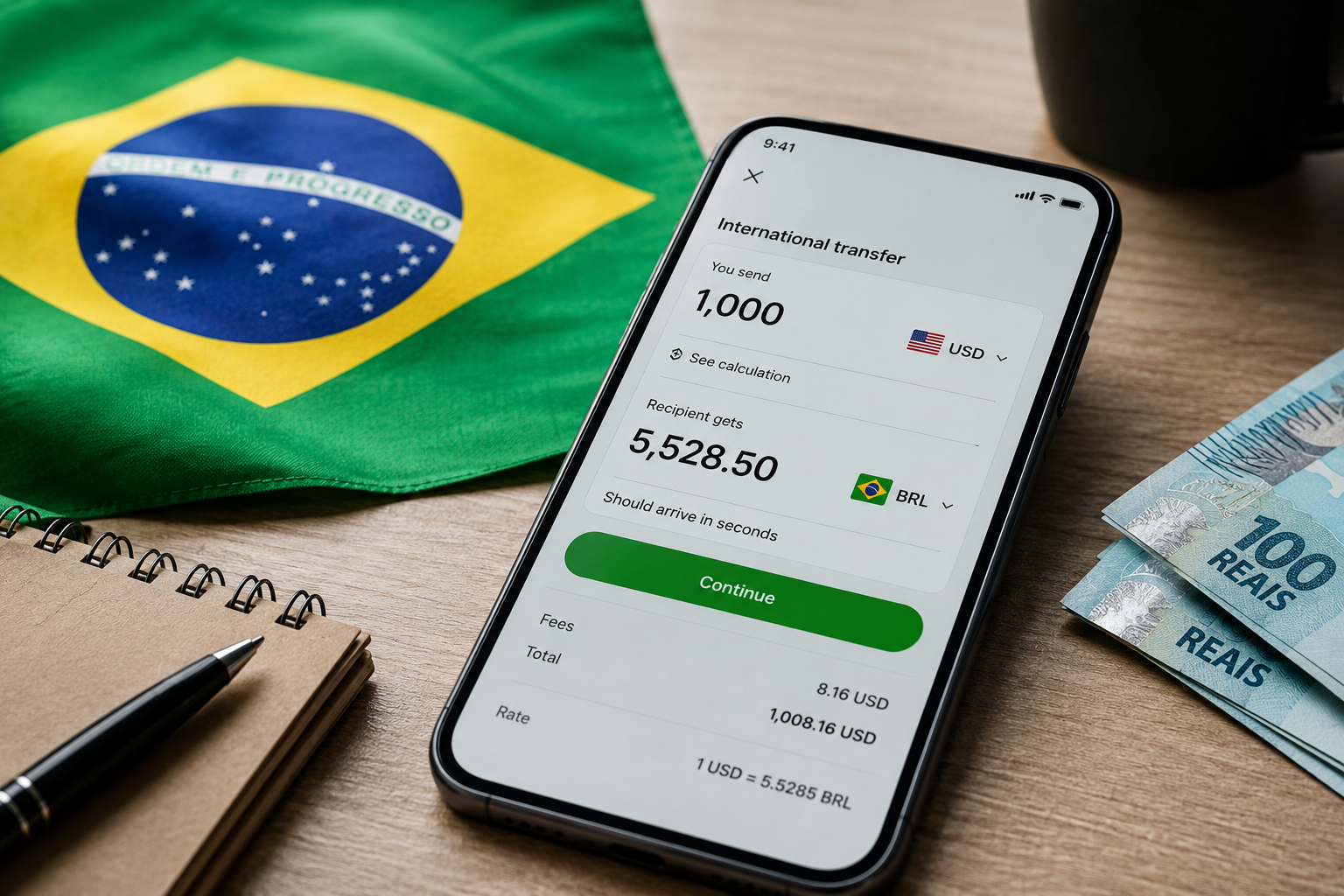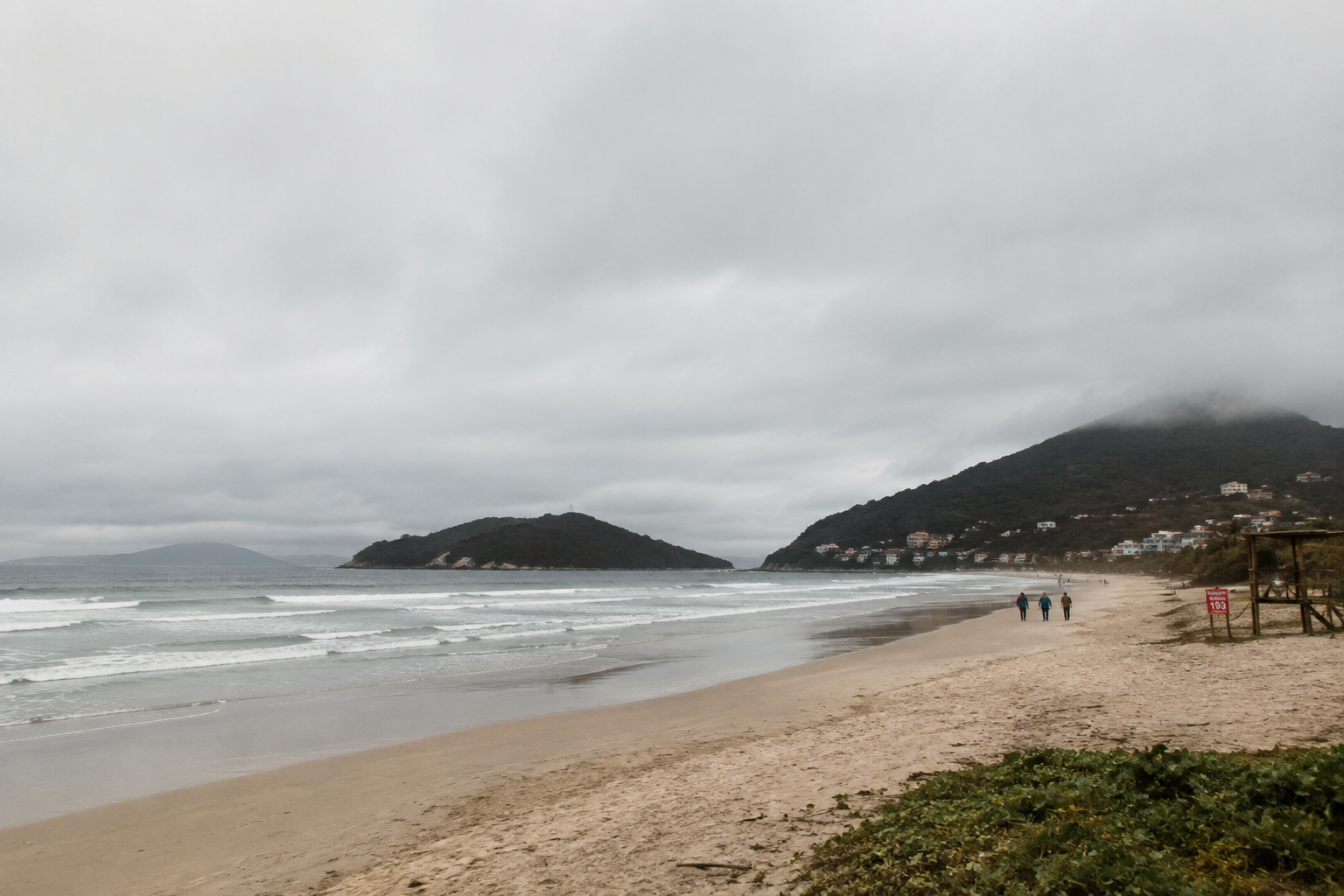

Island life in Florianópolis can be surprisingly affordable, with the average monthly grocery bill for a single person hovering around R$600. This breakdown is essential for those seriously considering relocating to Florianópolis, or for those already residing there as remote workers, expats, or digital nomads aged 30–50. I’ve meticulously tracked every real spent on groceries, rent, and even those spontaneous beachside coconut waters. You may find that the largest expenses aren’t always what you expect, with some line items appearing reasonable until you examine the annual total.
Key Takeaways
- A studio apartment in Florianópolis rents for approximately R$1,400, while one-bedroom flats in the city centre average around R$1,800 per month.
- Monthly grocery expenses for an individual can reach R$600; however, shopping at local markets may significantly lower this cost.
- Essential utilities—including water, electricity, and internet—usually total about R$400 each month in Florianópolis.
- For those relying on public transportation, a monthly pass is quite affordable, costing around R$100.
- To maintain a comfortable lifestyle in Florianópolis, a single person should aim for a total monthly budget of approximately R$8,000.
[INTRO
Understanding the Cost of Living in Florianópolis
Determining the cost of living in Florianópolis can feel like piecing together a complex puzzle. You have specific figures to work with: a studio apartment rents for R$1,400 (~$265), while a one-bedroom flat in the city centre costs R$1,800 (~$340), and in quieter neighbourhoods, you might find options for R$1,200 (~$225).
However, a detailed cost analysis shows that your choices significantly affect these numbers. You aren’t merely tallying expenses; you’re evaluating different lifestyles.
For groceries, if you shop for yourself, expect to spend around R$600 (~$110) monthly. However, if you’re cooking for two, your supermarket bills may start at R$1,000 (~$190) each month. This aligns with the city having the second-highest basic food basket in Brazil at over R$800. The average bus fare increased by 8% in 2026, leaving commuters paying the highest bus fare among Brazilian capitals.
Utility costs — encompassing water, electricity, and internet — average R$400 (~$75), though increased use of air conditioning in summer can lead to higher bills.
Transportation adds another layer of complexity: a bus ticket costs R$6 (~$1.10) each way, which could bring your monthly transport costs to about R$100 (~$19) if used sparingly. If you opt to drive, you should budget approximately R$385 (~$73) for fuel.
This analysis isn’t merely about a single figure. It’s about understanding how your daily decisions — dining out, selecting a beachside rental, or choosing between walking and driving — shape your true expenses.
You’re assembling your financial picture one receipt at a time.
Take Action: Start by tracking your essential expenses this week to better understand your personal cost of living in Florianópolis.
{cgb_floripa}
Florianópolis’s rental market requires a significant portion of your budget, with a reasonable studio costing around R$1,400 (~$270) per month.
If you move away from the city centre, your housing options improve; a one-bedroom in the centre runs approximately R$1,800 (~$350), while in outlying neighbourhoods, you can find it for R$1,200 (~$230).
A two-bedroom apartment in the periphery costs roughly R$1,800 (~$350), but in central locations, prices can reach R$2,500 (~$490).
In terms of grocery expenses, you can expect to spend between R$500 (~$100) and R$700 (~$140) monthly for a single person, with a basic food basket priced at R$659 (~$130).
Transport costs vary: a bus ride is R$6 (~$1.20), and if you only use public transport on weekends, you’ll likely spend about R$100 (~$20) per month.
A more flexible transport plan including some fuel might total around R$385 (~$75). The average private medical consultation costs R$362 (~$71).
Utility bills for essentials—covering water, electricity, gas, and internet—average R$400 (~$78).
These figures reflect actual expenses in the region, allowing you to assess your financial situation against these concrete costs.
Take actionable steps today by researching rental listings in both central and peripheral areas to better understand your housing options in Florianópolis.
KEY_TAKEAWAYS
Stepping back from the rental listings, the numbers present a clear picture: housing isn’t just a significant portion of your budget—it’s the central component. You’re looking at average housing costs of R$54.97/m², pushing a comfortable one-person budget toward R$6,000 to R$8,093 monthly. A family of four easily reaches R$16,467.
This translates to a decent studio renting for R$1,400 (~$260), while a more desirable area demands R$2,500 (~$460) or more.
Your transportation expenses add another layer, with bus fares at R$6 (~$1.10) per ride and monthly costs often settling around R$385 (~$70) for fuel and apps.
Combine that with a basic food basket costing R$659 (~$120) and R$400 (~$75) for utilities, and you can see why financial freedom in this city requires careful planning.
You might manage groceries for R$600 (~$110) or opt for a higher-end budget of R$2,000 (~$370), but housing remains the non-negotiable giant. This is a city where your lifestyle choices directly clash with fixed costs, demanding clear-eyed financial strategy.
Actionable Takeaway: Review your budget today to identify areas where you can adjust your spending, especially on housing and transportation, to align with local costs in Florianópolis.
CONCLUSION
When you add up the numbers, living in Florianópolis means your monthly budget largely revolves around housing costs. A single person will need around R$8,000 (~$1,500), while a family of four can easily reach R$16,500 (~$3,100). Implementing smart budgeting strategies is essential for financial freedom in this city. You cannot overlook the housing trends that elevate the average rent to R$54.97/m², significantly higher than the national average of R$48.12/m². Fortunately, there is flexibility; opting for a R$1,200 (~$230) property outside the city centre instead of a R$1,800 (~$340) one downtown allows you to allocate more funds towards enjoying the island’s outdoor lifestyle. Your actual expenses will reflect these trade-offs.
| Expense Category | Monthly Range |
|---|---|
| Housing (rent + fees) | R$1,800 (~$340) – R$2,500 (~$470) |
| Groceries | R$600 (~$110) – R$1,500 (~$280) |
| Transportation | R$100 (~$20) – R$500 (~$95) |
| Utilities | ~R$400 (~$75) |
Utilities remain relatively stable at around R$400 (~$75), covering water, power, and internet. Although housing trends dictate your baseline expenses, your budgeting strategies—such as cooking more with local produce or using the efficient bus system—can help reshape your financial picture. Ultimately, living in Florianópolis means embracing a beachside lifestyle, and adjusting your spending to align with that lifestyle is crucial for maintaining financial health.
To effectively manage your budget, consider prioritising housing outside the city centre and focusing on local food sources.
{cgb_floripa}
Even with the significant expense of housing fixed, your day-to-day costs vary considerably depending on where you choose to live and your lifestyle.
The average rent (aluguel médio) stands at R$ 54.97 per square metre. Securing a studio in a quieter neighbourhood for R$ 1,400 (~$270) allows you to save compared to a R$ 3,762 (~$725) apartment in a prestigious area.
You’ll notice the difference immediately in your monthly food expenses (alimentação mensal), which you can keep around R$ 600 (~$115) by shopping at local markets instead of upscale supermarkets.
Your public transport habits also impact your budget—if you use buses sparingly on weekends, your transport costs will only be R$ 100 (~$19), but commuting daily by car can push your fuel expenses past R$ 385 (~$73).
Essential bills (contas essenciais), which include water, electricity, gas, and internet, average R$ 400 (~$76), although this can decrease with careful management.
For leisure activities (lazer e actividades), you can choose your level of indulgence: spend R$ 100 (~$19) on simple beach outings or opt for R$ 500 (~$95) on gym memberships and nightlife.
It’s your budget, your pace—no landlord dictates how you spend your leisure time.
Take Action: Review your current housing and transport expenses to identify areas where you can save, allowing you to allocate more for leisure or essential needs.
Conclusion
You’ve got more wiggle room than you think here. We crunched my actual receipts—R$950 on groceries at Direto do Campo, R$320 for CELESC—and spotted R$200 in forgotten subscriptions draining the budget. Trimming those alone freed up cash for a weekend at Joaquina Beach. Treat your numbers honestly, redirect the leaks, and Floripa’s cost of living becomes far less intimidating.
It’s essential to remember that even minor expenses can add up quickly. Many people overlook the impact of small, regular payments, which can significantly strain finances over time. Addressing these leaks can help, but one must also prepare for unexpected costs that can arise when living in a new place, which can quickly alter the financial landscape.
References
- https://www.reddit.com/r/florianopolis/comments/1k70fiz/custo_de_vida_em_floripa/
- https://santailha.com.br/custo-de-vida-em-florianopolis/
- https://noticiasfloripa.com/custo-de-vida-em-florianopolis-em-2026/
- https://www.expatistan.com/pt/custo-de-vida/florianopolis
- https://www.partiusernomade.com.br/custo-de-vida-florianopolis/
- https://www.investimoveisfloripa.com.br/post/custo-de-vida-em-florianópolis-descubra-quanto-custa-morar-na-capital-catarinense
- https://blog.nordenimoveis.com.br/quanto-custa-viver-em-florianopolis-2025/
- https://www.youtube.com/watch?v=EtTtcr-ymac
- https://myside.com.br/guia-florianopolis/custo-de-vida-florianopolis-sc
- https://www.quintoandar.com.br/guias/cidades/custo-de-vida-em-florianopolis/