Moving abroad was one of the best decisions I ever made — but I also made some expensive mistakes. A year and a half ago I left England for the Dominican Republic, and then ended up relocating to Brazil, and along the way I learned a lot about what not to do when choosing a new country to live in.
If you’re thinking about moving abroad, these five lessons could save you months of stress and several thousand dollars. The biggest one is simple: don’t choose a place based only on a holiday visit.
1. A holiday destination is not the same as a place to live

Our first mistake was choosing Punta Cana because it looked perfect on a short scouting trip. We stayed in five-star all-inclusive hotels, loved the beaches, and assumed everyday life would feel the same.
It didn’t.
Once we moved there, the reality was very different: fewer public beaches, limited family-friendly green spaces, more gated-community living than we wanted, and a lot less to do outside the resort bubble. That’s the problem with planning a move from a holiday perspective — you see the best version of the place, not the version you’ll live with every day.
What to do instead
- Stay in an Airbnb or long-stay apartment, not a hotel.
- Buy groceries and cook at home.
- Visit schools, parks, supermarkets, and local neighbourhoods.
- Spend time outside tourist areas and see how daily life actually works.
2. Test the place in different seasons
Our scouting trip was in February, when the weather was beautiful. When we moved in July, the heat and humidity were brutal, and that changed everything.
High temperatures, heavy humidity, constant air conditioning, and storm season made life more expensive and more stressful than we expected. Electricity bills were much higher because the air con had to run all day and night, and weather issues added another layer of uncertainty.
What to do instead
- Visit during the hottest and wettest months.
- Ask locals what the worst season is really like.
- Check how often power and water go out.
- Estimate utility bills based on real daily use, not tourist assumptions.
3. Don’t ignore transport and everyday friction
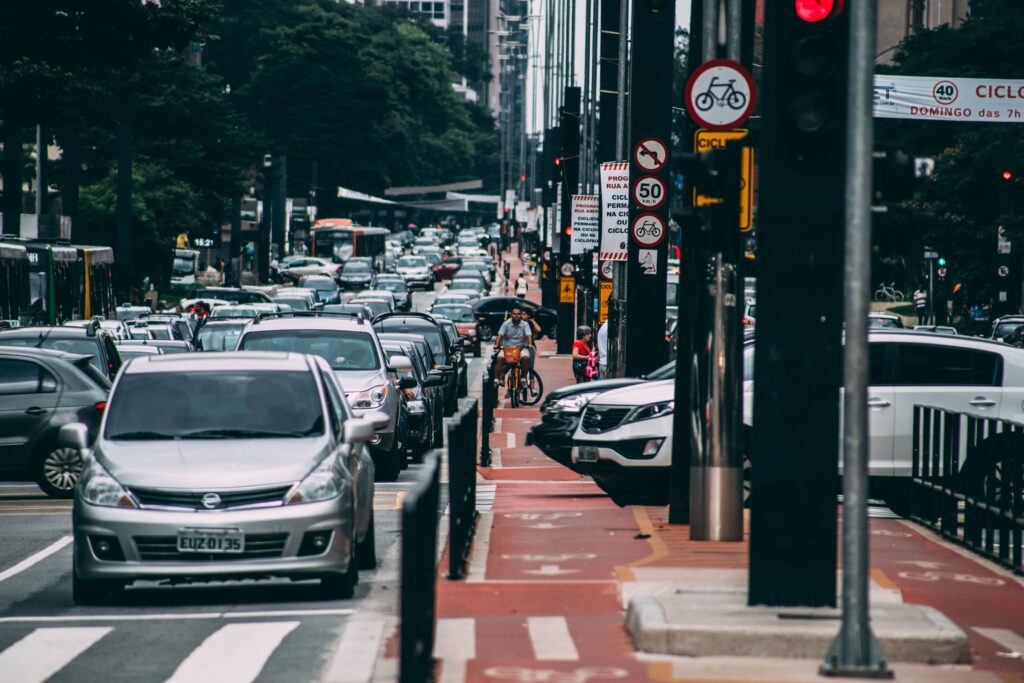
Driving in the Dominican Republic was one of the biggest stress points for us. Cars would come within inches, nobody would let you out at junctions, and road behaviour felt chaotic in a way that became exhausting with young children in the car.
That kind of daily friction matters. It affects whether you feel relaxed, whether you use a car or rely on taxis, and how safe and settled your family feels day to day.
What to do instead
- Drive local roads yourself before committing.
- Test rush-hour traffic.
- Ask how people get around for school runs, groceries, and weekend trips.
- Factor road stress into your decision, not just cost.
4. Always check hidden costs
The cost of living was not just groceries and rent. Taxes, tips, service charges, and import costs added up fast. Even simple errands could cost more than expected, and tipping felt expected far more often than we were used to.
That kind of price creep is easy to miss if you only look at headline costs. A place can look affordable on paper and still drain your budget once you add the real-life extras.
What to do instead
- Build a budget with a buffer for taxes and fees.
- Ask locals what they actually pay for groceries, eating out, and utilities.
- Don’t trust the cheapest online cost-of-living estimate.
- Add a contingency fund for unexpected relocation expenses.
5. Always have a real Plan B
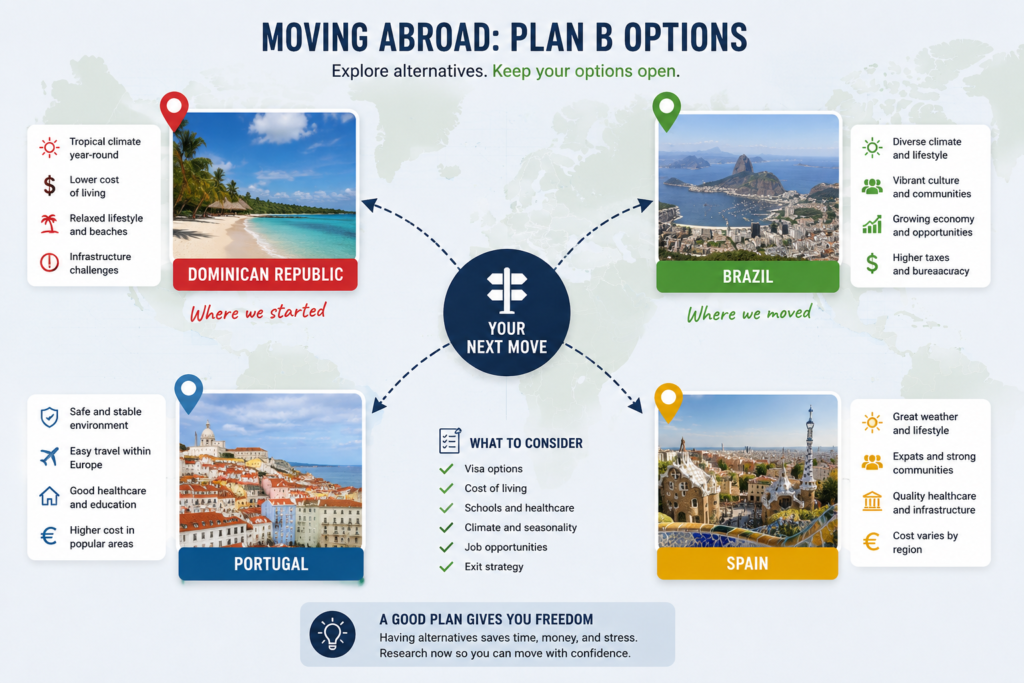
The reason we were able to move on from the Dominican Republic was that we had already done some research on alternatives. Brazil was our backup plan, and Portugal or Spain were further options if needed.
That matters because a bad move gets expensive fast. Flights, visas, deposits, shipping, and family disruption all pile up if you only start researching alternatives after things go wrong. A proper backup plan gives you breathing room.
What to include in your backup plan
- Visa options.
- Schooling.
- Housing.
- Monthly budget.
- Climate and seasonality.
- A realistic exit cost if you need to leave quickly.
The lesson I learned
The biggest takeaway is this: don’t move to a place because it looks amazing for two weeks. Move there because you’ve checked the boring, expensive, everyday realities too — the heat, the transport, the fees, the infrastructure, the family fit, and the plan if it doesn’t work out.
That’s what saved us in the end. We stopped planning around the holiday version of life and started planning around real life.
Practical scouting checklist
Before you relocate, try this:
- Stay in local housing for at least 2–4 weeks.
- Shop for groceries and cook your own meals.
- Drive everywhere you’d normally go.
- Visit in both good and bad weather.
- Check schools, parks, and medical access.
- Compare at least two or three backup destinations.
Conclusion
Moving abroad can be one of the most rewarding decisions you’ll ever make, but it’s only a good decision if the destination works for your actual lifestyle, not just your holiday expectations.
Beautiful beaches, great weather, and lower costs can be attractive, but the things that determine long-term happiness are often far less exciting: daily commutes, healthcare, schools, infrastructure, utility costs, safety, and how well the location fits your family’s needs. Those everyday realities have a much bigger impact on your quality of life than any tourist attraction ever will.
Do the homework now, think beyond the holiday experience, and plan for real life rather than vacation life. If you do, you’ll give yourself the best possible chance of building a successful and enjoyable life abroad while avoiding the costly mistakes that many expats make along the way.