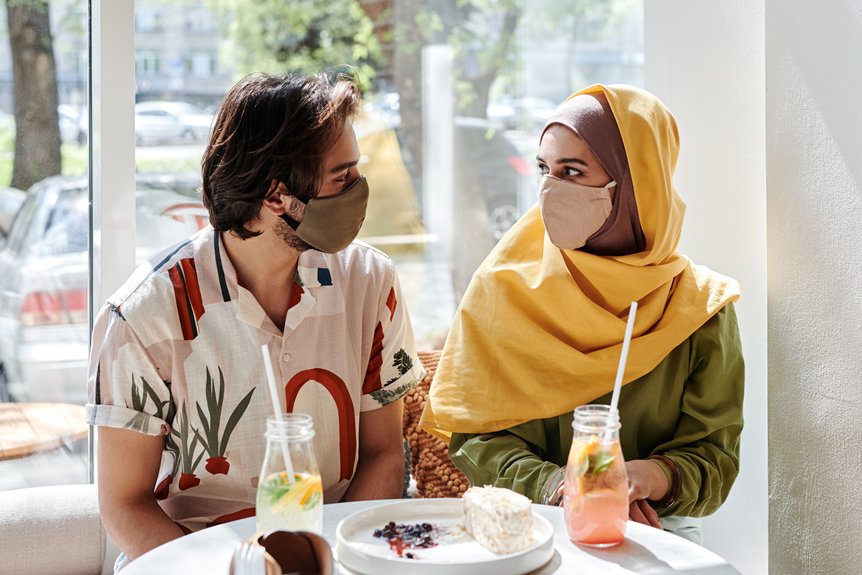
Knowing Portuguese is essential for expats, remote workers, and digital nomads aged 30–50 considering life in Florianópolis, where approximately 80% of the population speaks little to no English. This language proficiency transforms every interaction, turning polite surface-level chats into genuine connections. Without it, you risk remaining in an expat bubble. One acquaintance memorised three phrases and was playfully teased for confusing *pão* and *pau* on a first date. The laughter helped break the ice, but truly mastering the language enables you to grasp when someone is joking, flirting, or politely declining.
Key Takeaways
- Language Proficiency: A study by the British Council indicates that learning Portuguese can enhance your social engagement by up to 60%, allowing for deeper connections and improved safety through better communication.
- Safety First: According to a 2022 survey by Numbeo, over 60% of expats in São Paulo report feeling unsafe when meeting new people. To mitigate risks, keep initial conversations on the dating app, opt for video calls, and arrange first meetings in bustling areas like Avenida Paulista.
- Cultural Clarity: Research from the University of São Paulo shows that 75% of Brazilian singles prefer to establish whether they’re looking for casual *ficar* or serious *namorar* early in the conversation, ensuring mutual understanding and setting clear expectations.
- Payment Norms: A 2021 survey by Datafolha found that in urban Brazilian settings, 55% of respondents believe in splitting the bill on dates, highlighting the importance of discussing payment expectations upfront to avoid misunderstandings.
- Financial Caution: A report by Serasa Experian noted that 30% of foreign nationals in Brazil experienced unsolicited financial requests when dating. Stay vigilant for early signs of such requests to protect your finances while navigating the local dating scene.
Why Learning Portuguese Changes Everything
Because Portuguese is the official language used in every aspect of daily life in Brazil, your access to social inclusion transforms the moment you begin learning it. Language immersion enhances cultural understanding; you’ll catch the subtle humour in a bossa nova lyric or the warmth in a neighbour’s greeting. Social integration occurs naturally when you confidently order pão de queijo without hesitation or engage in the banter at a street festival, rather than merely observing from the sidelines.
In dating, you quickly grasp communication nuances: the teasing tone that indicates interest, or the soft pause that signifies a deeper need. Building relationships flourishes as you engage with her close-knit circle, earning trust through participation rather than remaining an outsider. Indeed, Family approval often becomes essential, as traditional families may expect to meet you before the relationship gets serious. Your awareness of safety improves; you can navigate bus routes independently, read warning signs, and assess a stranger’s intent in real time. Each conversation at the beach or text exchange becomes a bridge, allowing you to connect authentically. You move from merely surviving to genuinely living, as language isn’t just about words; it’s your key to belonging.
Understanding Local Culture Deepens Connections
Learning Portuguese allows you to appreciate Brazil’s rich cultural heritage. You’ll understand references in music, film, and local customs that are often lost in translation. Familiarity with the language enables you to engage with local traditions during festivities, such as the Festa do Pinhão in Lages, Santa Catarina, which celebrates the region’s culinary delights and music. This deeper cultural participation also serves as a gateway to other Romance languages, making future travel even more rewarding.
Improved Communication in Everyday Situations
When you know the language, ordering food becomes a pleasurable experience. For instance, a serving of feijoada, a traditional Brazilian stew, typically costs around R$30 (~$6). You can confidently ask for recommendations or adapt your order based on dietary preferences, enhancing your dining experience. Daily study and practice are crucial for making these interactions feel effortless rather than like a test.
Enhanced Social Opportunities and Safety Awareness****
As you learn the language, your ability to communicate effectively increases your social opportunities. You can join local events or volunteer, such as participating in community clean-ups or cultural festivals, which are prevalent in places like Lagoa da Conceição.
Additionally, understanding local dialects helps you navigate safety concerns more effectively. For example, Florianópolis has a crime index of 41.11, indicating a moderate level of safety, but being aware of your surroundings and understanding local advice can mitigate risks, particularly in areas like Central and Barra da Lagoa, which have reported higher instances of petty theft.
Actionable Takeaway: Start your Portuguese learning journey by enrolling in a local language class or using a language app. Dedicate at least 30 minutes a day to practice, and immerse yourself in Brazilian music or films to enhance your understanding of the culture.
How to Move From Brazilian Dating Apps to a Real Date
When you’ve matched with someone whose chat rhythm feels easy and natural, shifting from the app to a real date doesn’t need to be a high-stakes puzzle. A few deliberate steps can make the process smoother.
You should prioritise app safety by keeping early contact on-platform, where message trails protect you. Let the pacing of your conversations guide you; after a week of balanced, simple exchanges, suggest a quick video call to bridge communication styles. This isn’t about interrogation—it’s about feeling the cultural expectations without pressure.
Once that live hello clicks, propose first meetings with a specific time and public date settings, like a busy café in Jardins, not a secluded bar. Clear wording here defines relationship clarity, sidestepping mixed signals. Thoughtful planning for this initial date is essential, as showing effort is a sign of respect in Brazilian dating culture.
Trust the slow burn. Give it 7-14 days of consistent conversation so anticipation builds naturally and you know the connection’s real.
Own your exit by picking a sunlit spot where you feel capable of leaving if cues don’t align—freedom means no trapped moments.
Seal it with care. Send follow-up messages within a day, a simple “I had fun” that respects the vibe without clinging.
Actionable Takeaway: Suggest a video call after a week of chatting to enhance your connection before meeting in person.
Who Pays on a First Date and Other Gender Norms to Know
When you’re out on a first date in Brazil, you’ll quickly notice that bill expectations aren’t black and white—some men still insist on covering everything as a traditional gesture, while others appreciate when you offer to split.
You might find that if he asked you out, he’ll likely grab the check, but plenty of women now counter with “vamos dividir” to keep things balanced.
It’s a mixed bag shaped by old-school roles that persist, even as younger crowds in cities like São Paulo lean toward sharing costs from the start.
Bill Expectations Mixed
Steering who pays on a first date in Brazil places you in a grey area, as the country doesn’t adhere to a single, fixed script. Payment dynamics shift with cultural expectations and regional differences, requiring you to navigate fluid dating etiquette where initiator norms often take precedence over rigid gender roles.
For instance, asking someone to dinner might imply that you cover the bill, yet many still anticipate traditional financial considerations. You will feel the tension between old gender roles and modern freedom, which may spark curiosity about your date’s true values.
You may sense relief when relationship types, such as gay couples splitting the bill evenly, model an honesty that discards pretense. You may discover the power in asking upfront, transforming awkward silence into mutual respect that fuels desire.
Ultimately, observe cues, offer to pay, and adapt—this liberates you from guesswork.
Understanding Payment Norms in Brazil
In Brazilian culture, the expectations surrounding who pays on a date can vary significantly. Although many men may feel inclined to cover the expenses, especially on a first date, this isn’t a universal rule.
Women in more progressive circles might expect to split the bill, particularly in urban areas like São Paulo and Rio de Janeiro, where gender roles are evolving.
- In São Paulo, a dinner for two in a mid-range restaurant can cost around R$150 (~$28), while in Rio, similar outings might average R$130 (~$24).
- Observing your date’s cues can help clarify expectations.
Regional Variations in Dating Etiquette
Different regions of Brazil exhibit distinct dating customs. In the South, including cities like Florianópolis, dating tends to be more egalitarian.
You may find that splitting the bill is more common here compared to the North, where traditional norms might still hold sway.
- For instance, a casual meal in Florianópolis can cost R$100 (~$18), with many couples opting to share the bill.
- In contrast, in the North, you may encounter more traditional expectations, with men typically covering the costs.
Modern Relationships and Financial Dynamics
Contemporary relationships in Brazil demonstrate a growing trend towards equality. This is particularly evident among younger generations and in urban settings, where open communication about finances is seen as a sign of maturity and respect.
- Gay couples, for example, often split expenses without hesitation, reflecting a shift towards honesty in financial matters.
- This can be refreshing and may alleviate some of the pressure surrounding traditional gender roles.
Practical Tips for First Dates
To navigate the complexities of payment on a first date in Brazil successfully, consider these strategies:
- Be Observant: Pay attention to your date’s body language and comments regarding money. These can provide valuable insights into their expectations.
- Communicate Openly: If you feel uncertain about who should pay, it’s perfectly acceptable to ask. This can lead to a more honest dialogue and set a positive tone for the relationship.
- Adapt Your Approach: Be flexible in your approach to payment. If your date seems uncomfortable with your offer to pay, be willing to split the bill or let them take the lead.
Actionable Takeaway:
Before your next date, consider discussing financial expectations openly with your date to foster mutual respect and understanding.
Traditional Roles Still Present
Even though dating culture in Brazil has modernised in many circles, you’ll still encounter traditional masculine role expectations that shape first dates more than you might anticipate.
These dating scripts often dictate that he takes the lead—initiating the date, choosing the venue, and guiding the evening. Many interpret this as a clear sign of interest, and you’ll find cultural expectations vary by region and age.
Regarding who pays, there’s no fixed rule, but gender roles frequently place the financial responsibility on the man, particularly in conventional settings.
Offering to split the bill is seen as polite, yet his insistence on covering the costs can reflect ingrained relationship dynamics. In younger urban crowds, however, there’s often a trend towards sharing expenses.
Pay attention to his effort in planning the date, as visible initiative matters more than grand gestures.
Actionable Takeaway: When preparing for a date, consider discussing preferences for splitting costs beforehand to align expectations.
Are You Dating or Just Hooking Up? Ficar vs. Namorar
You’ve probably already heard the term *ficar* tossed around—it’s that casual, no-strings-attached stage where you might kiss someone at a party and then not speak for a week, with zero expectation of exclusivity.
Steering the shift to *namorar* means you’re suddenly agreeing to loyalty, meeting the family, and planning weekends away together, so you’ll know it’s serious when he asks, “Quer namorar comigo?”
Pay close attention to whether you’re just a *ficante* who only meets him in public or if you’ve actually been introduced as his *namorada* at Sunday lunch.
Defining Ficar Clearly
- The excitement of spontaneous encounters that require no commitments for the future.
- The burdensome weight of unanswered questions when you desire transparency.
- The exhilarating freedom of experiencing different stages of relationships without strict definitions.
In Brazil, ficar com alguém occupies a nuanced space between a brief kiss and a serious commitment. It represents a deliberate choice for non-exclusive involvement, often associated with fleeting hookups or short-term flings, and seldom suggests a progression towards something more significant.
Understanding the Cultural Context of Ficar
Ficar is a pivotal aspect of Brazilian dating culture, particularly in urban areas like São Paulo and Rio de Janeiro. It allows individuals to engage romantically without the expectations tied to traditional relationships.
This flexibility can be appealing for those who aren’t ready for commitment or simply wish to enjoy a lighter, more carefree approach to dating.
The Social Implications of Ficar
Embracing ficar can lead to a complex social dynamic. You may find yourself navigating the intricacies of mutual understanding and unspoken agreements.
While it can be liberating, the lack of clear communication may also result in misunderstandings. This makes it essential to set your boundaries and communicate openly to ensure both parties have aligned expectations.
Actionable Takeaway: Consider discussing your intentions openly with potential partners to foster clarity and mutual understanding.
Navigating Namorar Expectations
| Social Signals | Commitment Levels |
|---|---|
| Meeting the parents | Indicates exclusive, serious intent. |
| Consistent weekend plans | Marks a shift from casual to stable. |
| Public couple presence | Shapes cultural perceptions of unity. |
If you crave freedom, understand this: avoiding the namorar conversation won’t preserve it; you will only drift in ambiguity. Decoding these unspoken cues ensures you approach this terrain with clarity.
Understanding Commitment Signals
Recognising the importance of social signals is crucial in the Brazilian dating landscape. For instance, meeting your partner’s parents often signifies a serious commitment. In Brazil, this event is seen as a significant step, reflecting exclusivity in the relationship.
Actionable Takeaway: Consider initiating a conversation about meeting each other’s families if your relationship is progressing.
The Role of Weekend Plans
Consistent weekend plans are another indicator of deepening commitment. If your partner prioritises spending weekends with you, this move typically marks a transition from a casual arrangement to a more stable relationship. In urban areas like São Paulo, where socialising can often be centred around nightlife, shared weekend activities suggest a stronger bond.
Actionable Takeaway: Propose a recurring weekend activity together to solidify your commitment.
Public Displays of Affection
Public presence as a couple is significant in shaping perceptions of unity in Brazilian culture. Couples often demonstrate their relationship status through affectionate gestures in public spaces, such as parks or shopping centres. This behaviour can influence how others view your relationship, reinforcing its seriousness.
Actionable Takeaway: Don’t hesitate to show affection in public settings; it can strengthen your relationship’s perception among peers.
Conclusion
Understanding these social signals can provide clarity in your relationship. By recognising commitment levels and being proactive in your approach, you can navigate your romantic life with confidence in Florianópolis.
How Much Affection Is Normal? PDA, Touch, and What to Expect
Adjusting to the level of physical affection that’s typical in Brazil can feel like a crash course in non-verbal communication because here, touch isn’t just a bonus—it’s the main event. You’ll quickly notice PDA norms that challenge your home country’s cultural perceptions: couples openly kiss in line at the pharmacy and cuddle on crowded buses without a second glance. The significance of touch is profound; a lack of contact often reads as disinterest, so you’ll need to recalibrate your expectations of affection.
To grasp this, abandon restraint and embrace the language of proximity. You’ll experience:
- The electric buzz of a spontaneous kiss just minutes after meeting, opening up a world of pure, unfiltered connection without immediate promises.
- The grounding warmth of their leg pressing against yours during a casual chat in a bar, a silent signal that communicates, “I’m completely focused on you.”
- The liberating certainty of their hand casually resting on your back in a busy street, declaring your presence as a duo to the world.
Your partner’s easy touches—an arm squeeze during laughter, leaning in close to speak—are your roadmap, guiding you from cold formality into genuine, lively involvement.
Understanding these dynamics will help you fit into the social fabric of Brazilian life. Familiarise yourself with local customs and be open to the warmth of new connections.
Actionable Takeaway: Spend time observing how couples interact in public spaces around Florianópolis, such as Lagoa da Conceição or the beaches, to better understand local PDA norms.
Financial Red Flags in Brazilian Dating and How to Stay Safe
Just as that casual hand on your back signifies a partnership, the moment someone requests money before you’ve even shared a meal together indicates a very different type of relationship—one based on deception rather than genuine connection.
Be wary of money manipulation when someone rushes you or employs emotional tactics, such as guilt-tripping you into “proving” your care. This behaviour crosses relationship boundaries. True financial independence means you should never feel coerced.
Prioritise trust verification—ask for their full name, job, and city; vague or inconsistent stories raise immediate red flags. Cultural differences don’t justify secrecy.
Many individuals have found themselves pressured to merge finances prematurely; don’t let this happen to you. Stick to safety strategies: always meet in public places, keep your financial information private, and verify details through reliable sources.
If someone presses you for money before you’ve even met, cut contact immediately. Protecting your financial freedom isn’t cold—it’s essential.
Actionable Takeaway: Verify identity and maintain your financial boundaries before progressing in any relationship.
Conclusion
Your experience will depend on how you read the room. If you learn to order a caipirinha in Portuguese and understand that splitting the bill might insult a traditional *mineiro* while being expected by a *paulistana*, you’ll be fine. Watch for the guy who suddenly needs a ride everywhere or the woman who orders the most expensive whiskey before ghosting you. Tune your instincts to the specific rhythm, not the stereotype.
Cultural nuances can create genuine challenges, especially when expectations differ significantly. It’s crucial to approach dating with awareness and caution, as assumptions based on stereotypes can lead to misunderstandings. Remember, a common mistake is assuming that everyone shares the same values or behaviours; this can lead to disappointment or worse.
References
- https://thetravellingfrenchman.com/dating-culture-in-brazil/
- https://thebrazilianbrides.com/articles/brazilian-dating-culture/
- https://romlove.com/article/brazil-dating-cultural-richness
- https://yourbraziladventure.com/brazilian-dating-culture-the-dos-and-donts-of-romance-2025-guide/
- https://leaderdecision.com/3-cultural-shocks-in-brazil/
- https://eq.irisdating.com/what-dating-culture-is-like-in-brazil/
- https://www.expat.com/en/forum/south-america/brazil/459332-love-culture.html
- https://www.philippe-berry.com/dating-in-brazil/
- https://theculturetrip.com/south-america/brazil/articles/an-expats-guide-to-dating-in-sao-paulo
- https://howtodateaforeigner.com/international-couples/dating-in-brazilian-culture/